A pair of studies released in December conclude that you are what you do when it comes to multiple sclerosis (MS) symptoms. I agree.
The first study, published in Multiple Sclerosis and Related Disorders, concludes that aquatic therapy is better than conventional physical therapy (PT) at easing fatigue and improving balance.
It’s a small study. Among 26 people with relapsing-remitting MS, 14 performed progressively harder balance and gait exercises in 45-minute PT sessions twice a week. The other 12 received twice-weekly 35-minute sessions of aquatic therapy, led by an aquatic therapist. They did exercises targeting balance, breathing, and movement, which progressed in difficulty and intensity.
After 2 months, the hydrotherapy group saw improvements in balance, increasing an average of 2.7 points on the Berg Balance Scale (BBS). The group receiving traditional PT saw their BBS scores decrease by an average of 3.6 points.
The results were similar with fatigue, as measured by the Modified Fatigue Impact Scale (MFIS), which evaluates how fatigue affects physical, cognitive, and psychosocial functioning—the higher the score, the greater the impact on daily life. The hydrotherapy group’s MFIS total score decreased by 9 points, while the PT group’s score increased by 5.5 points. The effect on each of the 3 MFIS subdomains was similar.
My Aquatic and PT Exercise Experiences
For the past decade, I’ve spent several months each winter in Florida, where I casually swim and pool-walk several times a week. In the summer, when I’m back north, I have traditional 45-minute PT sessions once or twice a week over a 2- to 3-month period. I think I feel better, physically and mentally, when I go to the pool regularly than I do when I’ve been treated once or twice a week by a physical therapist. (I think my wife, a retired physical therapist, would agree.)
A 2022 study published in JAMA found that aquatic therapy produced better results than PT in people with chronic back pain, even when the PT included trans-cutaneous electrical nerve stimulation and infrared thermal therapy.
Physical therapist Laura Diamond has produced some excellent YouTube videos of water exercises. She recommends combining the pool therapy she provides with traditional PT in a clinic.
I follow a similar but less structured routine: swimming 2 to 4 pool lengths, then walking 75 to 100 steps, then repeating. Sometimes I’ll add some leg lifts and squats.
You can find several aqua therapy resources on the Multiple Sclerosis Association of America’s website.
Lifestyle Makes a Difference
Another study, also recently published in Multiple Sclerosis and Related Disorders, looked at the impact of 5 lifestyle factors on overall disability, fatigue, and depression in 839 people with MS. The factors included participating in physical activity, eating well, not smoking, meditating, and maintaining healthy vitamin D levels.
The researchers found a link between regular physical activity and less fatigue, depression, and overall disability. People who practiced at least 3 of those 5 habits saw the greatest overall benefits.
I smoked in my late teenage years and gave it up in the summer of 1969, so that really doesn’t apply to me. My diet certainly wouldn’t be considered high quality, though, and I don’t meditate. I do, however, try to get a lot of vitamin D—easy to do in Florida—and I very much believe the exercise I do in the swimming pool and the upper-body work I do in the gym help both my body and my mind. I can feel the difference when I slack off.
I think others with MS probably would feel that difference too.
What’s been your exercise or physical therapy experience?
(A version of this post first appeared on the Rare Disease Advisor website.)
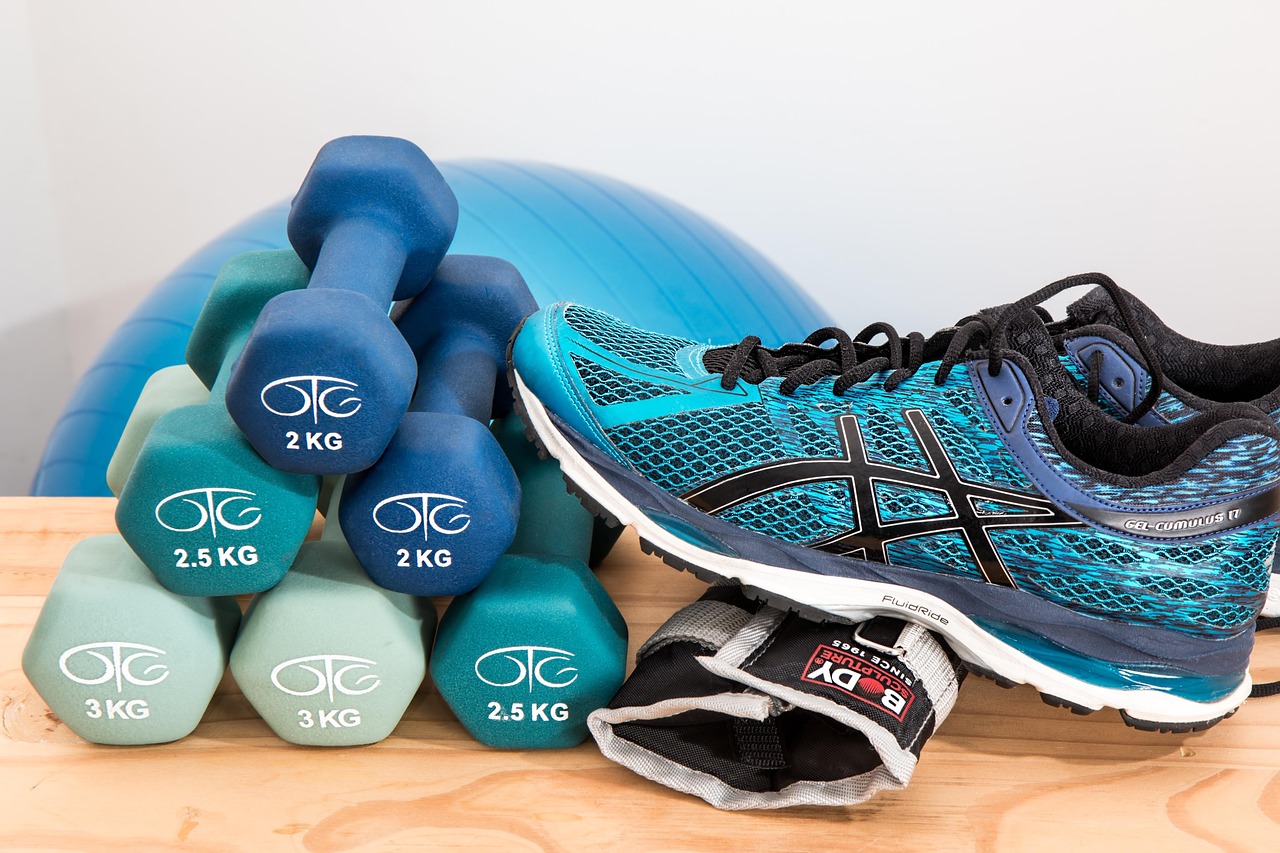
(Image by Steve Buissinne from Pixabay)